
Immediate openings for virtual appointments FIND A THERAPIST
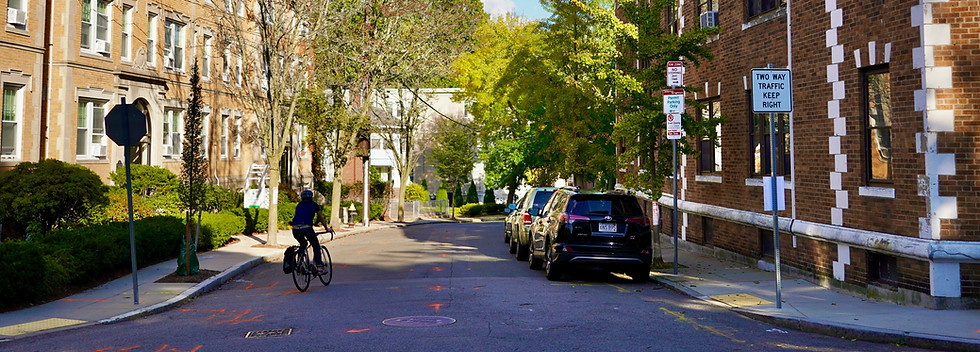
Therapy for Adjusting to Life in Boston
Moving to a new city can be exciting, but it can also be overwhelming. Starting over in an unfamiliar place often brings unexpected emotional challenges alongside the opportunities that come with a fresh start.
Whether you recently relocated for work, school, or a personal transition, adapting to life in Boston may take time. Changes in environment, relationships, routines, and culture can affect your mental and emotional well-being in ways you may not have anticipated.
Therapy can provide support during this transition and help you feel more grounded as you build your life in a new place.
The Emotional Impact of Relocating
Relocating to a new city often involves more than simply moving to a different location. It may mean adjusting to new professional expectations, building social connections from scratch, and navigating an unfamiliar environment.
Even positive changes can bring stress. You may be managing:
-
The loss of a familiar support system
-
The challenge of building new friendships
-
A different work or academic culture
-
Changes in lifestyle and daily routines
-
Feelings of uncertainty about your place in the community
These experiences are common and can affect people in different ways.
Common Feelings During Major Life Transitions
When adjusting to a new environment, many people notice emotional or physical changes as they navigate the transition.
Some experiences may include:
-
Feeling lonely or disconnected from others
-
Anxiety about meeting new people or forming relationships
-
Missing family, friends, or familiar routines
-
Feeling overwhelmed by navigating a new city
-
Withdrawing from social activities due to stress or fatigue
-
Struggling with sleep or energy levels
-
Feeling unsure about where you belong
-
Frustration with cultural or lifestyle differences
These feelings can arise even when the move itself was a positive choice.
Building a New Sense of Belonging
Developing a sense of home in a new city takes time. Many people underestimate how long the adjustment process can take.
During this period, you may be learning how to:
-
Create new routines and structure
-
Establish friendships or social networks
-
Navigate new professional or academic environments
-
Explore your surroundings and community
-
Develop confidence in unfamiliar situations
This transition can feel isolating at times, but it is also an opportunity for personal growth and self-discovery.
How Therapy Can Support Your Adjustment
Therapy can provide a supportive environment where you can process the emotions that come with relocation and life transitions.
Working with a therapist may help you:
-
Manage feelings of loneliness or homesickness
-
Develop strategies for building meaningful connections
-
Navigate stress related to work, school, or social environments
-
Build confidence in unfamiliar situations
-
Process identity changes that may occur during life transitions
-
Create routines that support emotional well-being
Therapy can also help you better understand how past experiences influence how you approach change and uncertainty.
Finding Community in a New City
Adjusting to a new environment often involves intentionally building connections and support systems. While this can feel challenging at first, small steps can make the process easier.
You might consider:
-
Joining local community groups or social events
-
Exploring hobbies or activities that bring you joy
-
Maintaining regular communication with friends and family back home
-
Creating routines that help you feel grounded in your new environment
These efforts can gradually help transform a new city into a place that feels more familiar and comfortable.
Therapy for Adjusting to Life in Boston
Starting over in a new city is a major life transition. While the experience can be rewarding, it may also bring moments of uncertainty, loneliness, or stress.
If you’re looking for therapy for adjusting to life in Boston, working with a therapist can help you navigate this transition with greater confidence and emotional support.
You don’t have to face this adjustment alone. Therapy can help you build a sense of stability, connection, and belonging in your new home.