
How to Use CBT for ADHD: A Step-by-Step Guide for Adults

Updated: Jun 23
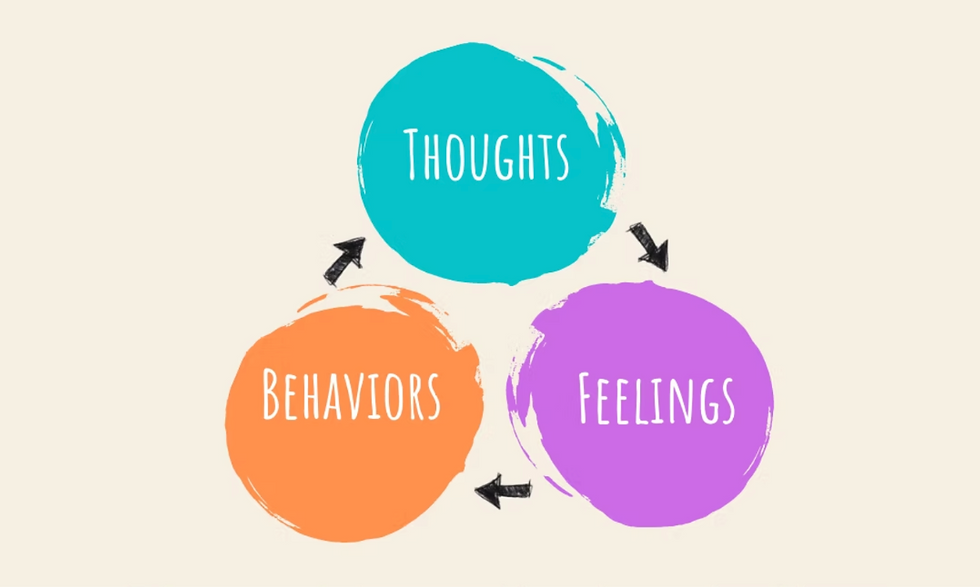
Cognitive behavioral therapy (CBT) for ADHD helps adults build practical systems for daily life while changing the negative thought patterns that develop after years of overwhelm, missed deadlines, burnout, or feeling misunderstood. At Neurodiverse Counseling, LLC, we work with many ADHDers who are intelligent, capable, and exhausted from forcing themselves into systems that were never designed for the way their brains work. CBT for ADHD offers a different path.
Key Takeaways
CBT for ADHD targets the thoughts, behaviors, and daily systems that affect adult functioning, not just attention.
Research shows CBT improves organization, follow-through, emotional regulation, and self-esteem, especially alongside medication.
Core skills include cognitive restructuring, task chunking, external structure, and grounding techniques.
The most effective therapy is neurodiversity-affirming and adapted to your brain, not built around shame or rigid productivity.
Medication can help with focus, impulsivity, and attention regulation, but it does not teach planning, emotional regulation, task initiation, or self-compassion. That is where CBT fills the gaps. In a landmark randomized controlled trial published in JAMA, adults who still had significant ADHD symptoms while on medication improved more after CBT than with relaxation and education alone, and those gains held up a year later.
What Is CBT for ADHD?
CBT for ADHD focuses on the connection between thoughts, emotions, behaviors, and daily functioning. Rather than spending most of therapy exploring the past, it focuses on what is happening now and what can make life feel more manageable.
Many adults with ADHD develop automatic thoughts like "I always mess things up" or "Everyone else can handle this except me." These beliefs usually do not come out of nowhere. They build up after years of struggling in environments that reward consistency and speed while overlooking how differently ADHD brains process motivation and stress.
CBT helps you notice those patterns and respond to yourself differently. Instead of accepting harsh
thoughts as facts, you learn to slow down, examine the belief, and replace it with something more realistic. At the same time, CBT builds practical skills for planning, prioritization, emotional regulation, time management, and task initiation. For many AuDHD adults, it works best when it is adapted to support sensory needs and autistic processing styles rather than pushing unrealistic productivity expectations.
Why CBT Works for Adult ADHD
ADHD is not simply a problem with attention. It affects executive functioning, emotional regulation, transitions, working memory, and self-esteem. Many adults with ADHD know exactly what they want to do but struggle to begin, organize, or follow through, and that gap between intention and action often turns into shame.
For example, someone may avoid opening their email because the task feels mentally too loud, and the longer they avoid it, the more anxiety builds. CBT breaks that cycle into smaller, manageable steps while challenging beliefs like "if I cannot do it perfectly, there is no point starting." This matters because ADHDers often struggle less with ability and more with activation. Starting and sustaining attention can feel exhausting without the right supports in place.
Common ADHD Thinking Traps CBT Targets
A big part of CBT is learning to spot distorted thoughts, sometimes called thinking traps, that quietly drive avoidance and shame. Common ones for ADHDers include:
All-or-nothing thinking: "If I cannot do the whole project today, there is no point starting."
Catastrophizing: "I forgot one email, so my boss thinks I am incompetent."
Discounting the positives: brushing off the things you did finish while fixating on what you did not.
Labeling: turning a hard moment into an identity, like "I am lazy" or "I am a mess."
Mind reading: assuming others are judging you as harshly as you judge yourself.
Should statements: "I should be able to do this as easily as everyone else."
Naming the trap is the first step. Once you can see it, you can question whether it is true and choose a more balanced response.
CBT Techniques for ADHD: Exercises to Try
CBT tends to work best when strategies are practiced in everyday life, not only discussed in session. These are some of the most effective tools for adults with ADHD:
Cognitive restructuring: Catch a harsh thought like "I never finish anything," then replace it with something realistic, such as "Finishing is hard for me sometimes, and I have strategies that help."
Task chunking: Vague tasks like "clean the apartment" feel overwhelming. Break them into concrete steps like "put dishes in sink" and "throw away trash" so your brain can initiate.
External structure and the brain dump: Hold less in your head. Use a simple calendar, a short daily list with only a few priorities, and a "brain dump" page for stray thoughts and reminders.
Time blocking and the Pomodoro Technique: Turn abstract plans into visible structure, and work in short focused bursts with breaks instead of forcing long stretches.
The Distractibility Delay: Keep paper nearby and jot down distracting thoughts instead of acting on them. This reassures your brain the idea is safe to revisit later.
5-4-3-2-1 grounding: When emotions spike, name five things you see, four you feel, three you hear, two you smell, and one you taste to come back to the present.
Reflective journaling: Short prompts like "What drained my energy today?" or "What actually helped me focus?" support self-awareness without the pressure of a perfect journal.
The goal is not forced positivity. It is building flexibility, realism, and self-compassion into the way you treat yourself.
CBT vs. Medication
Medication and CBT support ADHD differently, and many adults benefit from both. Medication can improve attention, impulsivity, mental stamina, and focus. CBT helps you create routines, planning systems, emotional regulation tools, and a kinder internal dialogue.
You might finally have enough focus to sit at your desk after starting medication, yet still feel frozen because the task feels overwhelming or unclear. CBT reduces that paralysis by adding structure and easing the shame attached to getting started. We often encourage clients to stop asking "how do I become less ADHD?" and instead ask "how do I work with my nervous system instead of against it?"
CBT vs. DBT for ADHD
CBT and dialectical behavior therapy (DBT) overlap, and people sometimes confuse them. CBT focuses on changing unhelpful thought patterns and building practical skills like planning, organization, and time management. DBT centers more on managing intense emotions, distress tolerance, and relationships.
Many ADHDers do well starting with CBT, while those with strong emotional dysregulation or rejection sensitivity may find DBT skills especially helpful. The two are not mutually exclusive, and a skilled therapist will often blend tools from both based on what you actually need.
CBT Worksheets and Self-Guided Practice
You do not have to wait for an appointment to start. Self-guided CBT worksheets, like thought records, task-breakdown checklists, and time-blocking templates, can build awareness of your thinking patterns and make tasks feel more approachable, and workbooks written for adult ADHD offer helpful structure between sessions. Still, worksheets work best as support, not a replacement, for therapy with a clinician who understands ADHD, masking, and neurodiversity-affirming care.
Finding the Right CBT Therapist
Not all CBT therapists approach ADHD in affirming ways. Some still rely on shame, compliance, or rigid productivity models that leave neurodivergent clients feeling worse. A good fit will understand executive functioning, emotional regulation, masking, rejection sensitivity, sensory overwhelm, and burnout, and will recognize that ADHD often looks different in adults than in children.
When you talk with a potential therapist, ask whether they work specifically with adults who have ADHD or AuDHD, and how they approach shame and executive functioning. If you are newly diagnosed or still wondering, an adult ADHD evaluation can clarify what kind of support will help most. The therapeutic relationship matters as much as credentials, and therapy should feel collaborative, respectful, and emotionally safe.
Final Thoughts
Living with ADHD can feel exhausting when you spend years forcing yourself into systems that do not fit the way your brain works, until you start to believe you are lazy or failing at things that seem easy for everyone else.
CBT helps challenge those beliefs while building practical systems that reduce overwhelm. The goal is not becoming perfectly organized or "fixed." It is learning to work with your brain instead of constantly fighting it. At Neurodiverse Counseling, LLC, we support ADHDers, autistic individuals, and AuDHD adults in building real tools, reducing self-blame, and creating routines that fit their lives. If you are looking for support, we invite you to reach out and schedule a consultation.
If you are working to challenge negative thought patterns and build a more supportive inner dialogue, the Inner Critic Journal for Adults includes 100 therapist-created prompts to help you quiet self-doubt, overcome perfectionism, and develop lasting confidence and self-compassion.
FAQs
Does CBT actually work for ADHD?
Yes. Research, including a randomized controlled trial published in JAMA, shows CBT meaningfully improves core ADHD symptoms, emotional regulation, and self-esteem in adults, with benefits that often last after therapy ends. It works best alongside medication, since medication supports focus while CBT builds the planning, organization, and self-talk skills medication cannot teach.
What are CBT exercises for ADHD?
Common CBT exercises for ADHD include cognitive restructuring to reframe harsh thoughts, task chunking to break big tasks into tiny steps, time blocking, the Distractibility Delay, 5-4-3-2-1 grounding, and reflective journaling. These tools target procrastination, overwhelm, and self-criticism. Practicing them between sessions, not just in therapy, is what makes the change last.
How long does CBT for ADHD take?
Many structured CBT programs for adult ADHD run roughly 12 to 20 weekly sessions, though the exact length depends on your goals, stress levels, burnout history, and the support you need. Some people work briefly on a specific challenge, while others continue longer to address shame, perfectionism, or co-occurring anxiety and depression.
Can CBT replace ADHD medication?
Not necessarily. CBT and medication support ADHD differently, and many adults benefit from using both together. Medication can improve attention and focus, while CBT helps with planning, emotional regulation, organization, and self-talk. Some people use CBT alone by choice, but that decision is best made with a qualified clinician who understands adult ADHD.
Disclaimer: This blog is for educational purposes only, is not a substitute for mental‑health treatment, and does not establish a therapist–client relationship. If you need personalized support, please consult a licensed mental‑health professional in your area. If you are in crisis, call or text 988 (U.S.) or your local emergency number.


